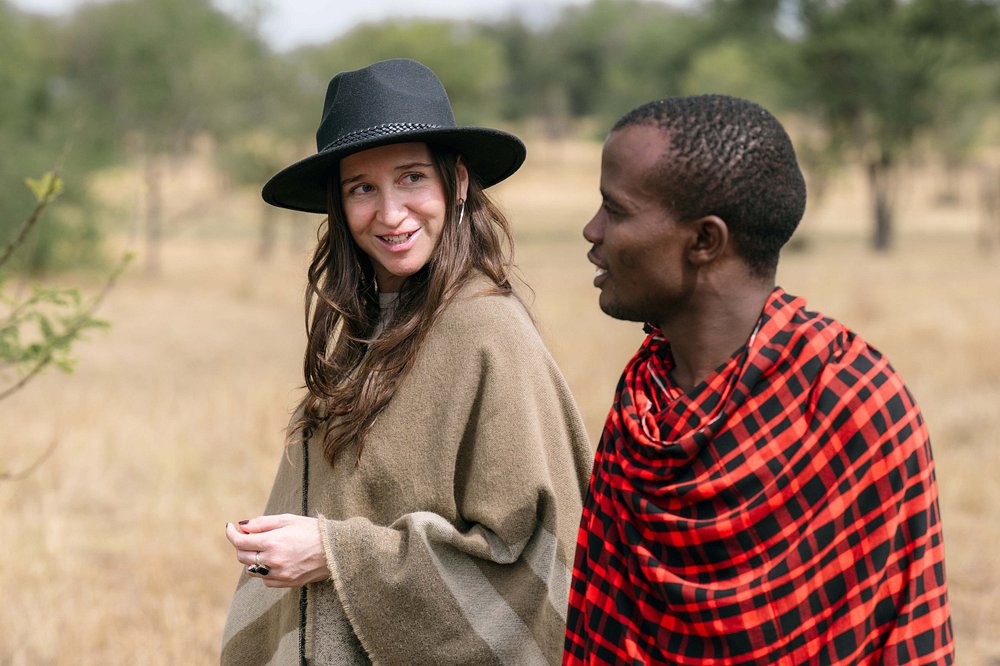
Planning a journey to East Africa requires precise timing to maximize your wildlife sightings. Finding the best time to visit tanzania for safari depends entirely on what you want to see, as the massive movements of animal herds are driven purely by the seasonal weather changes. Whether your dream is to witness the dramatic Great Migration river crossings or enjoy quiet emerald landscapes, understanding these cycles ensures a flawless luxury trip.
- Topic Guide: Best Time for Safari & Wildlife Tracking
- Focus Areas: Serengeti, Ngorongoro Crater, Tarangire, and Lake Manyara
- Main Seasons: Peak Dry Season, Calving Season, and the Green Season
- Best Overall Months: Late June to October (For prime wildlife density)
- Price Variance: From Peak Rates (Dry Season) to Budget-Friendly Luxury (Green Season)
🧭 What to Expect During the Best Time to Visit Tanzania for a Safari
Tanzania’s wildlife movements are dictated by rain and water availability. Here is what you will experience during the different times of the year:
- The Dry Season Spectacle (June – October): As the bush thins out and water holes vanish, thousands of animals are forced to gather around permanent rivers. Predators wait in ambush, making this part of the year the absolute gold standard for high-octane wildlife action.
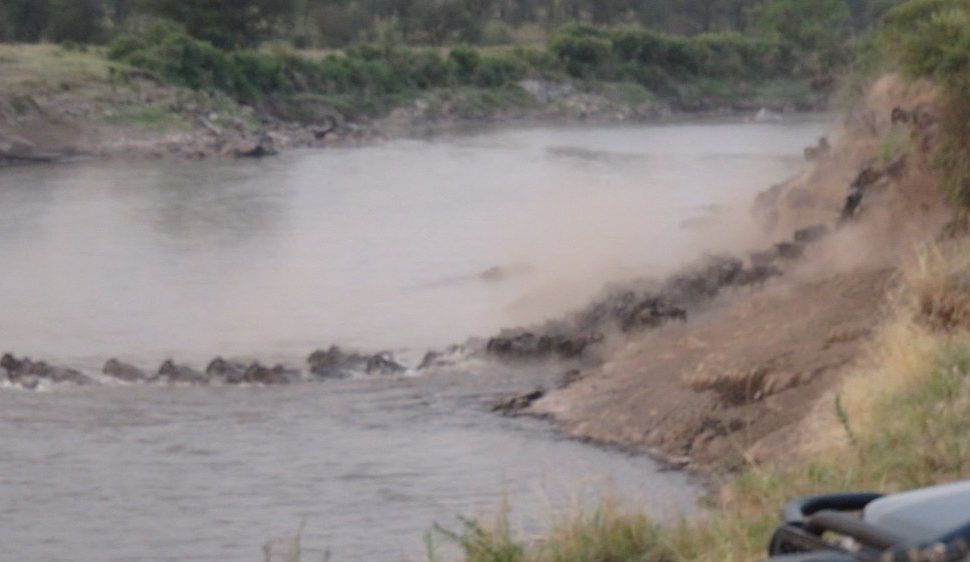
- The Great Migration River Crossings (July – October): Witness millions of wildebeests and zebras braving the crocodile-infested waters of the Mara and Grumeti rivers in northern Serengeti—a true bucket-list event.
- The Synchronized Calving Season (January – February): Experience the southern Serengeti plains coming alive with over 500,000 newborn wildebeest calves, attracting dense concentrations of cheetahs, lions, and hyenas.
- The Lush Emerald Transformation (November – May): Watch the dry golden savannas turn into a vibrant green paradise. This period offers incredible bird watching, clear skies, newborn animals, and beautifully uncrowded parks.
📊 Comprehensive Seasonal Breakdown Table
Use this quick-reference matrix to help your clients choose the perfect month based on their travel goals:
| Month Range | Season Type | Wildlife Experience Level | Great Migration Location | Best For |
| January – February | Short Dry Season | Exceptional | Southern Serengeti (Ndutu Plains) | Wildebeest Calving & High Predator Action |
| March – May | Long Rainy Season | Good (Green Season) | Central & Western Serengeti | Low crowds, lush landscapes, luxury budget rates |
| June – October | Peak Dry Season | Exceptional (Gold Standard) | Northern Serengeti (Mara River) | River Crossings & Mega Herd Sightings |
| November – December | Short Rainy Season | Good | Moving South through Central Serengeti | Migratory birds, quiet parks, refreshing rains |
🗺️ Detailed Guide: Choosing the Best Time to Visit Tanzania for a Safari
☀️ 1. The Peak Dry Season (Late June to October)
This is widely considered the absolute best time to visit Tanzania for a safari if you want classic game viewing.
- The Parks: Tarangire, Ngorongoro, and Serengeti are at their peak. Tarangire, in particular, becomes a haven for massive elephant empires seeking the Tarangire River.
- The Advantages: Virtually no mosquitoes, perfect warm days with cool mornings, and animals are incredibly easy to spot because the vegetation is short.
- The Vibe: High traveler density. National parks are busy, and premium luxury lodges book out up to a year in advance.
👶 2. The Calving & Predator Season (January to February)
Often called the “Secret Peak Season,” this short dry window offers a spectacular wildlife event in the south.
- The Event: The Great Migration settles on the nutrient-rich grass plains of Ndutu. In a 2-to-3-week window, half a million calves are born, attracting intense predator hunting action.
- The Vibe: Excellent weather, highly dynamic wildlife viewing, and slightly fewer crowds than the July-August rush.
⛈️ 3. The Green & Budget-Luxury Season (March to May)
Do not dismiss the rainy season! For the right traveler, this is an elite time to visit.
- The Perks: Luxury safari lodges slash their rates by up to 40%. The dust is completely gone, leaving crisp air and vibrant green backdrops that photographers love.
- The Vibe: Ultimate seclusion. You can experience the Ngorongoro Crater floor or Central Serengeti with almost no other vehicles around.
🔍 Insiders’ Essential Travel Tips for Timing Your Safari
- 1. Book the Mara River Crossings Early: If your clients want to see the world-famous Great Migration river crossings (July to September), you must lock in northern Serengeti lodges 8 to 12 months in advance. These areas have limited luxury rooms.
- 2. Match the Clothes to the Season: In the Dry Season (June–August), early morning game drives can be freezing cold, especially on the rim of the Ngorongoro Crater (2,200 meters). Instruct clients to pack thick fleeces, beanies, and windbreakers that they can shed by noon.
- 3. Avoid Tsetse Fly Colors Year-Round: In parks like Tarangire and parts of the Serengeti, Tsetse flies are active in wooded areas. They are highly attracted to dark blue and black. Advise your clients to wear khaki, beige, and olive green across all seasons.
- 4. Packing for the Rainy Season: If traveling between March and May, premium waterproof jackets, dry-bags for camera gear, and high-clearance 4×4 vehicles are mandatory. The clay tracks can become slick and muddy, which adds to the off-road adventure!
- 5. Pair Safari with Zanzibar: If combining a safari with a beach holiday in Zanzibar, July to October and January to February offer the best, driest beach weather. Avoid April and May on the coast as many beach resorts close due to heavy rains.
- 6. Complimentary Luggage Storage & JRO Connections: No matter which season your clients choose, our team offers secure, complimentary luggage storage in Moshi Town if they want to leave heavy gear behind while flying out to the deep Serengeti tracks.
You can send your enquiry via the form below.